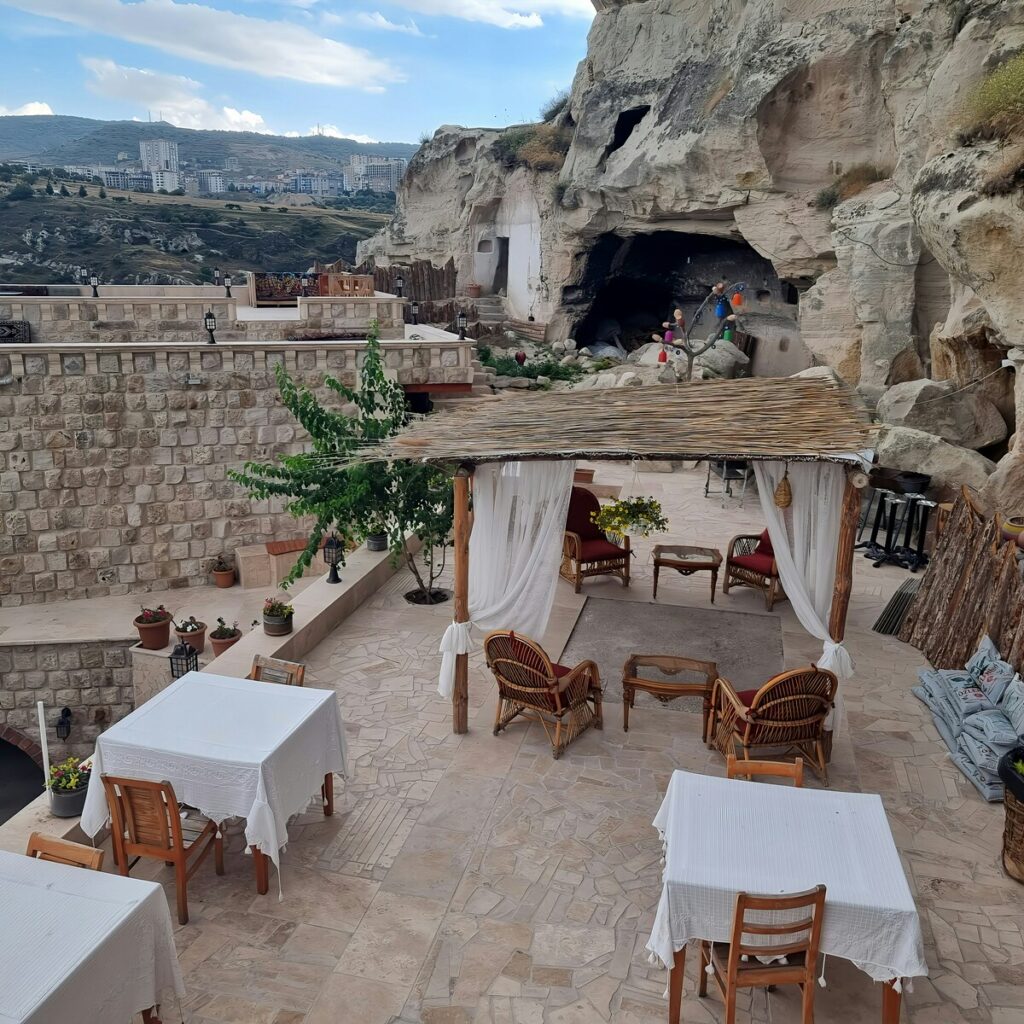
When we think of dream destinations, images of pristine beaches, majestic mountains, and luxurious resorts often come to mind. What might not be immediately apparent is the vital role that concrete construction plays in bringing these idyllic settings to life. From towering hotels to serene seaside villas, concrete is the unsung hero behind many of the world’s most luxurious getaways. This blog post explores how concrete construction helps create and sustain these dream destinations, highlighting its benefits, notable examples, and future trends.
The Foundations of Luxury: Benefits of Concrete Construction
Concrete construction offers several key advantages that make it the preferred choice for building luxury destinations around the globe.
Durability and Strength
One of the primary benefits of concrete is its exceptional durability and strength. Structures made from concrete can withstand harsh weather conditions, natural disasters, and heavy usage over time. This resilience is particularly crucial for luxury resorts and hotels, which must maintain their structural integrity and aesthetic appeal despite constant exposure to the elements and high guest turnover.
Design Flexibility
Concrete’s versatility allows architects and designers to create stunning, innovative structures that blend seamlessly with their natural surroundings. Whether it’s a sleek, modern high-rise hotel or a rustic, earth-toned villa, concrete can be molded into various shapes and finishes to achieve the desired aesthetic. This flexibility is essential for crafting unique, memorable experiences that attract discerning travelers.
Energy Efficiency
Concrete’s thermal mass properties help regulate indoor temperatures, reducing the need for artificial heating and cooling. This energy efficiency is not only cost-effective but also environmentally friendly, aligning with the growing trend towards sustainable tourism. Luxury resorts that prioritize sustainability can attract eco-conscious travelers and enhance their reputation as responsible destinations.
Sound Insulation
Privacy and tranquility are paramount in luxury accommodations. Concrete’s density provides excellent sound insulation, minimizing noise from adjacent rooms and external sources. This ensures a peaceful, relaxing environment for guests, which is a significant selling point for high-end properties.
Iconic Dream Destinations Built with Concrete
Several renowned luxury destinations showcase the remarkable capabilities of concrete construction, setting new standards for design, comfort, and sustainability.
The Burj Al Arab, Dubai
The Burj Al Arab in Dubai is an architectural marvel and one of the most luxurious hotels in the world. Its distinctive sail-shaped structure, constructed with high-strength concrete, stands as a testament to innovative design and engineering. The hotel’s robust concrete framework allows it to withstand the harsh desert climate and the corrosive effects of the nearby sea, ensuring its longevity and iconic status.
Marina Bay Sands, Singapore
Marina Bay Sands in Singapore is another stunning example of concrete construction. This integrated resort features three towering hotel blocks connected by a sky park that offers panoramic views of the city. The use of concrete in its construction provides the necessary strength and stability for this ambitious design. The resort’s concrete structures also incorporate energy-efficient technologies, reflecting a commitment to sustainability.
Amangiri Resort, Utah
Amangiri Resort in Utah seamlessly integrates with its dramatic desert surroundings, thanks to its concrete construction. The resort’s minimalist design uses raw, textured concrete to create a sense of harmony with the natural landscape. This approach not only enhances the visual appeal of the resort but also ensures its durability in the harsh desert environment. Amangiri’s use of concrete extends to its thermal mass properties, which help maintain comfortable indoor temperatures despite extreme weather variations.
The Future of Concrete Construction in Luxury Destinations
As the tourism industry evolves, several emerging trends and innovations are poised to shape the future of concrete construction in luxury destinations.
Sustainable and Green Building Practices
Sustainability is becoming increasingly important in luxury tourism. Future developments will likely focus on incorporating green building practices and materials to minimize environmental impact. This includes using recycled aggregates in concrete mixes, implementing energy-efficient systems, and achieving certifications such as LEED (Leadership in Energy and Environmental Design). These practices not only appeal to eco-conscious travelers but also contribute to the long-term sustainability of luxury destinations.
Prefabrication and Modular Construction
Prefabrication and modular construction techniques are gaining traction in the luxury hospitality sector. These methods involve manufacturing building components off-site and assembling them on-site, reducing construction time and waste. For concrete construction, this approach ensures high quality and consistency, allowing for the creation of intricate and ambitious designs. Prefabricated concrete elements can be used for various applications, including walls, floors, and structural supports, enhancing the efficiency and precision of construction projects.
Integration of Smart Technologies
The integration of smart technologies is set to revolutionize luxury accommodations. Smart home systems, automated climate control, and advanced security features can enhance the guest experience and operational efficiency. Concrete buildings provide a stable and robust framework for incorporating these technologies, ensuring their seamless operation. As smart technology becomes more prevalent, concrete’s compatibility with these systems will become an increasingly valuable asset.
Focus on Wellness and Biophilic Design
Future luxury destinations are likely to place a greater emphasis on wellness and biophilic design, which integrates natural elements into the built environment. Concrete’s versatility allows for the incorporation of features such as indoor gardens, water elements, and natural light, creating spaces that promote relaxation and well-being. These design principles resonate with the growing demand for wellness-focused travel, offering guests a holistic and rejuvenating experience.
Conclusion
Concrete construction plays a pivotal role in creating and sustaining the world’s most luxurious and memorable dream destinations. Its durability, design flexibility, energy efficiency, and sound insulation make it an ideal material for building high-end resorts and hotels that stand the test of time. As the tourism industry continues to evolve, innovations in sustainable building practices, prefabrication, smart technologies, and wellness-focused design will further enhance the capabilities of concrete construction. For those seeking to create or invest in luxury destinations, concrete offers a solid foundation for success, combining strength and beauty to craft the ultimate getaway.
